The Box Jump Height Mistake That Causes More Injuries Than the Jump Itself
Quick Answer: The safest box height is one you can land on with your knee only slightly bent, roughly hip-crease height or lower for most beginners — jumping to a box that requires tucking your knees to your chest dramatically increases the risk of shin scrapes, missed landings, and Achilles strain.
Box jump height has quietly become a bragging-rights number, and that’s exactly why so many people get hurt doing an exercise that’s supposed to be safe.
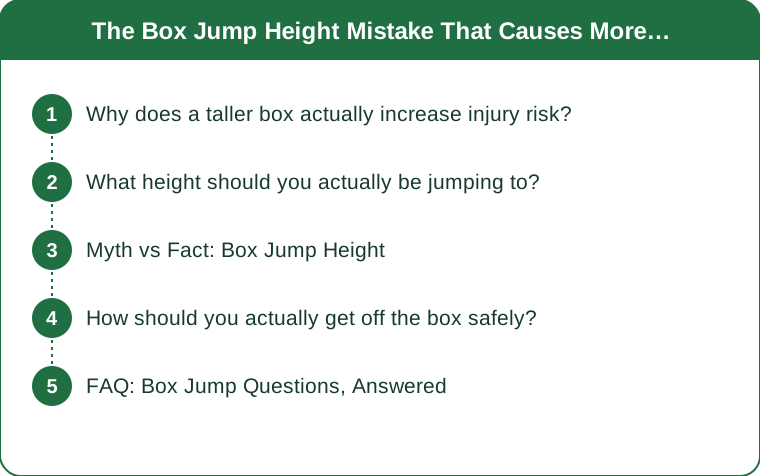
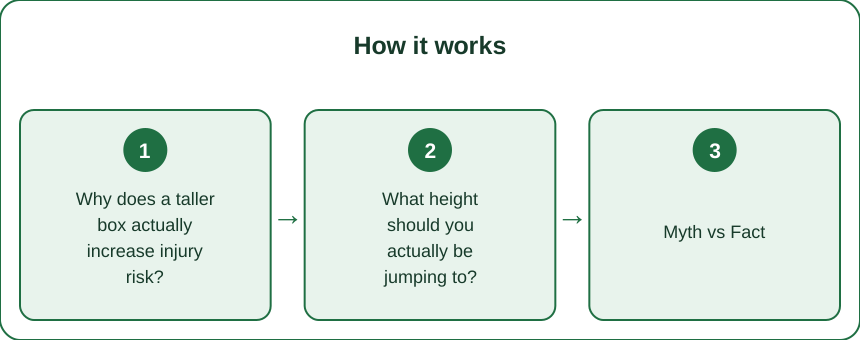
Why does a taller box actually increase injury risk?
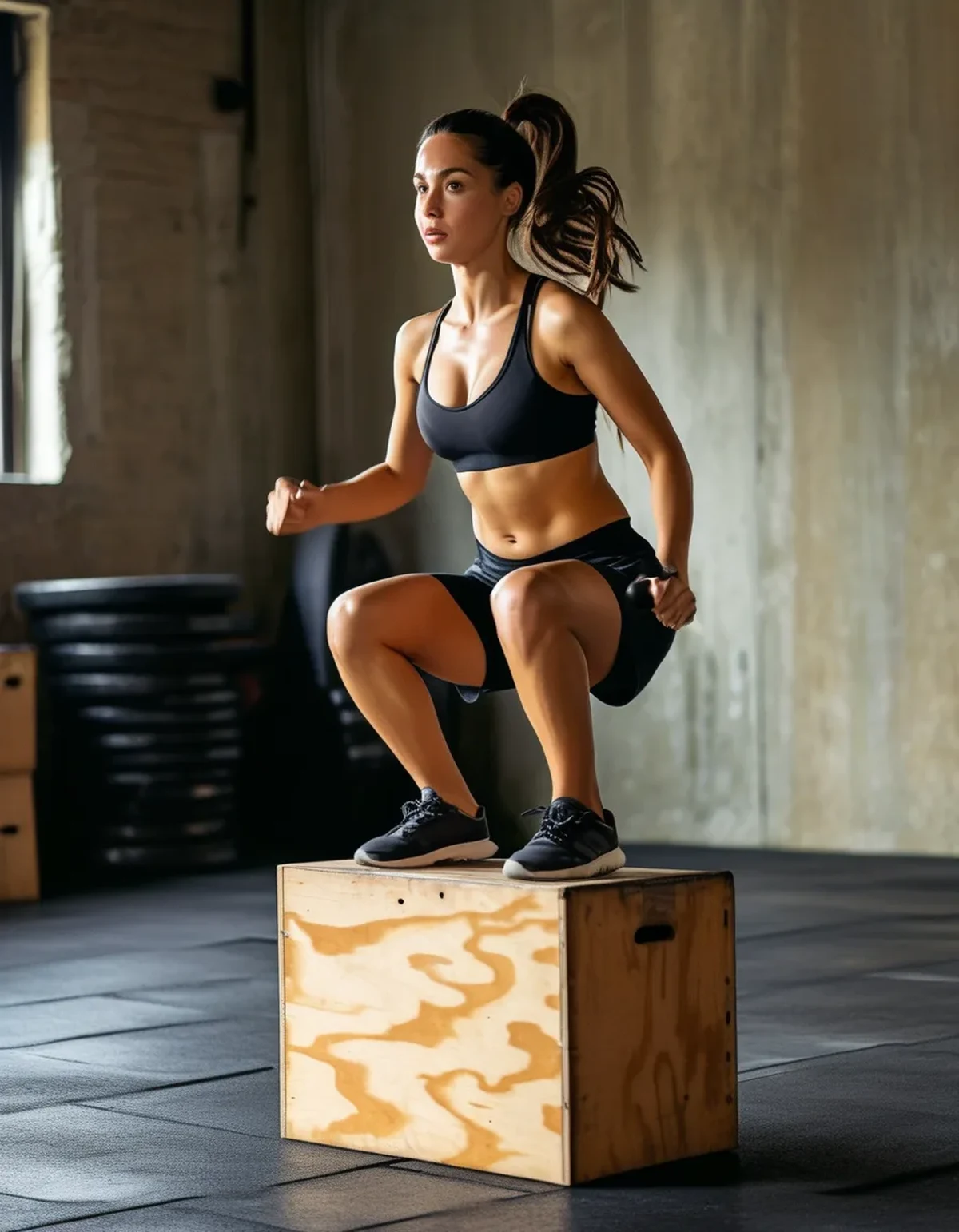
A box that’s too tall forces the knees to tuck sharply toward the chest mid-air, which shifts landing mechanics away from a controlled, soft landing and toward a scramble to get the feet up in time.
Missed landings on tall boxes are also how most box jump shin injuries happen — a foot that catches the box edge on the way up scrapes bone-deep before the brain even registers the miss.
What height should you actually be jumping to?
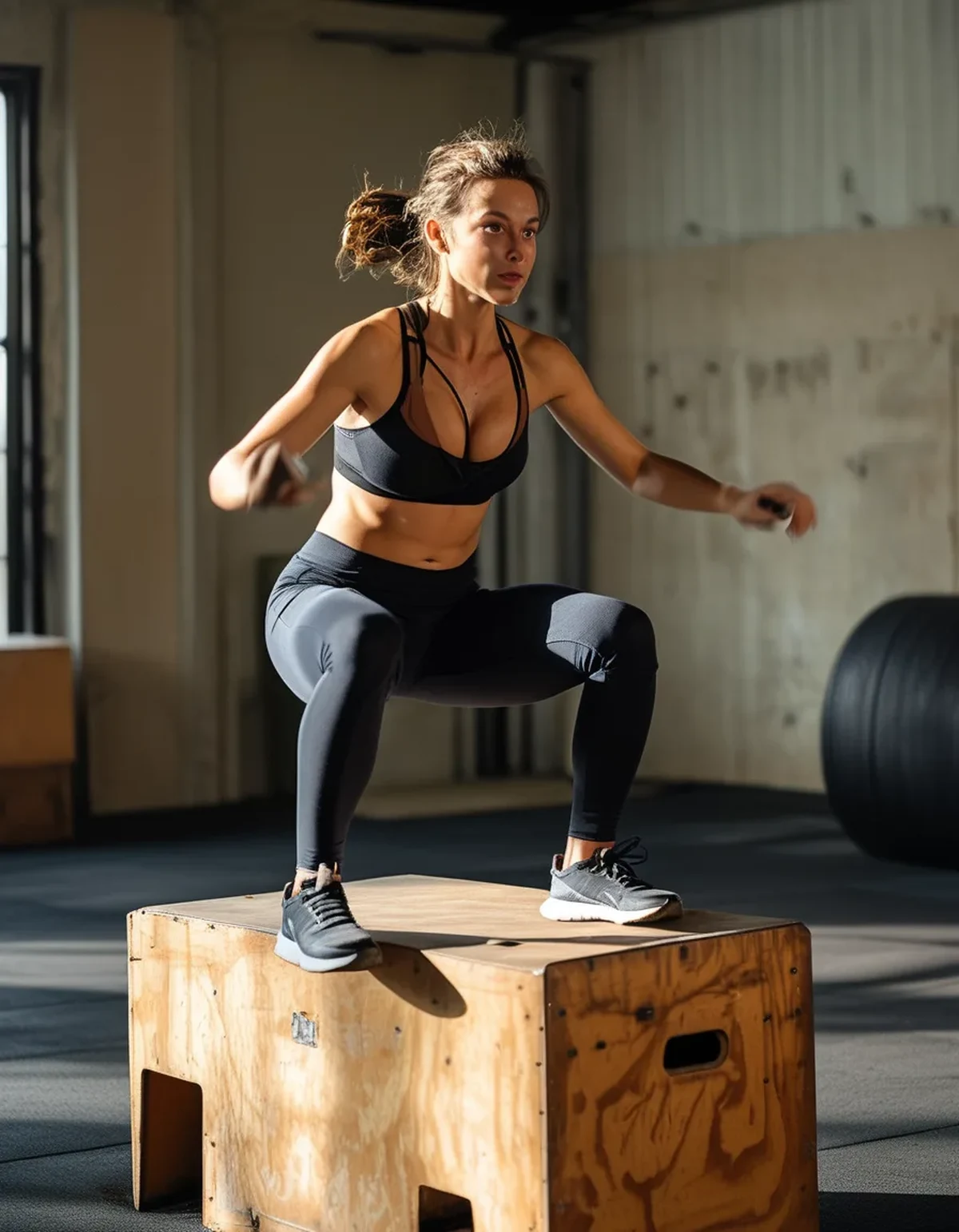
A good starting height lands your foot on the box with your knee bent no more than the angle of a normal step up a stair, which for most beginners is somewhere between 12 and 20 inches, not the 30-plus inch boxes seen in highlight videos.
The real test of appropriate height is a completely silent, soft landing — if you’re landing with a loud thud or your knees are near your chest, the box is too tall for where you are right now.
Myth vs Fact: Box Jump Height
Myth: a higher box jump means a better athlete. Fact: box jump height measures how well you can tuck your knees, not how powerful your jump actually is — power is better measured by how high you jump onto nothing at all.
Myth: landing loudly just means you’re strong. Fact: a loud landing means force isn’t being absorbed through the legs properly, which is exactly the pattern that leads to knee and Achilles issues over time.
How should you actually get off the box safely?
Step down backward one foot at a time rather than jumping back off — jumping down from height adds landing force without any of the training benefit, and it’s a common source of Achilles and knee strain.
Stepping down keeps the entire session’s landing stress limited to the jump itself, which is where the actual training value comes from.
FAQ: Box Jump Questions, Answered
How do I know when to increase box height?
Increase height only once your current height feels completely silent and controlled on landing for multiple sets — chase quality of landing, not the next inch.
Are box jumps bad for your knees?
Box jumps aren’t inherently bad for knees; landing mechanics determine the risk, and a soft, knee-tracking-over-toes landing is joint-friendly at any appropriate height.
Should beginners even do box jumps?
Beginners can do box jumps safely starting from a low box (even a plate or step), since the movement pattern matters more at first than the height.
TL;DR:
- The tallest box you can clear is not the safest box to use
- A knee-bend-only, silent landing is the real benchmark for appropriate height
- Step down backward instead of jumping down to avoid unnecessary landing stress
- Increase height only when the current height is fully controlled
A shorter, silent box jump builds more usable power with less injury risk than a taller one you’re barely clearing.
Keep Reading
This article is for general informational and styling purposes only. Fit, sizing, and product availability may vary.