The Knee Safety Rule Most Plyometric Guides Skip Entirely
Quick Answer: The biggest plyometric knee risk isn’t the jump — it’s landing with your knees caving inward (valgus collapse) instead of tracking over your toes. Check this in a mirror or on video before adding jump volume; fixing it matters more than any other plyometric progression rule.
Most plyometric guides spend paragraphs on jump height and rep counts, and one throwaway line on landing form. That’s backwards — landing mechanics are the actual injury variable that matters most.
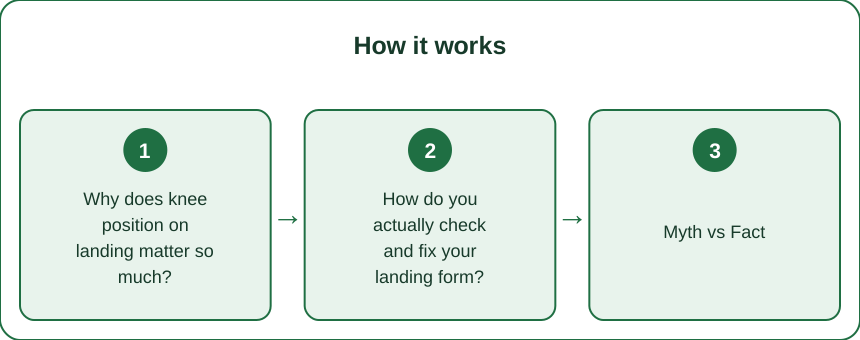
Why does knee position on landing matter so much?
When your knees collapse inward on landing (called valgus collapse), the force of impact — which can be 2-3 times your body weight on a single landing — gets redirected through ligaments that aren’t built to absorb lateral load, especially the ACL. This is the single most cited mechanical factor in non-contact ACL injuries during jump-based sports and training.
A knee that tracks straight over the toes on landing distributes that same force through muscles designed to absorb it, dramatically reducing ligament strain.
How do you actually check and fix your landing form?
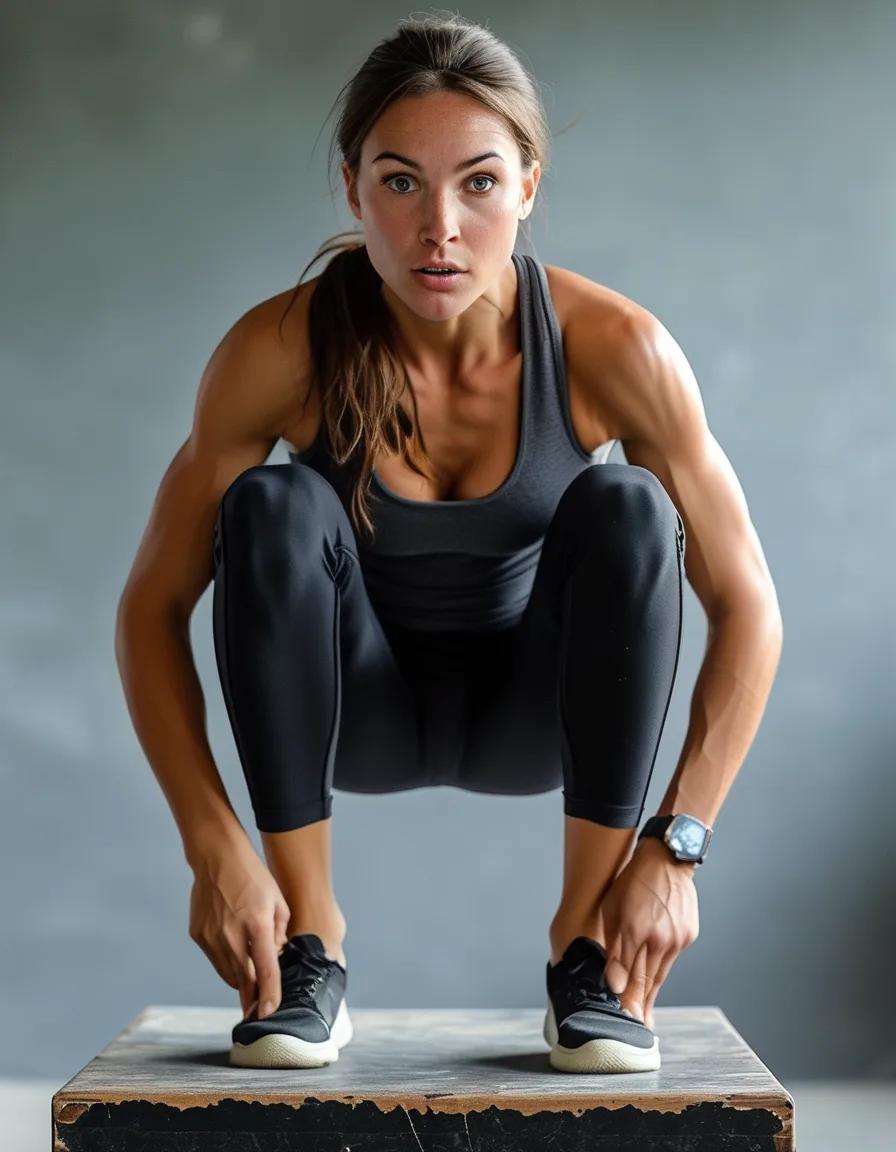
Film yourself (slow-motion phone video works) doing 5 box jumps or squat jumps from the front. Watch for knees drifting inward toward each other on landing — even a small collapse is worth correcting before adding volume.
The fix: strengthen glute medius (lateral band walks, clamshells) and practice slow, controlled landing drills — step off a low box and stick the landing silently with knees tracking over toes, before reintroducing any actual jumping.
Myth vs Fact: Plyometric Knee Safety Edition
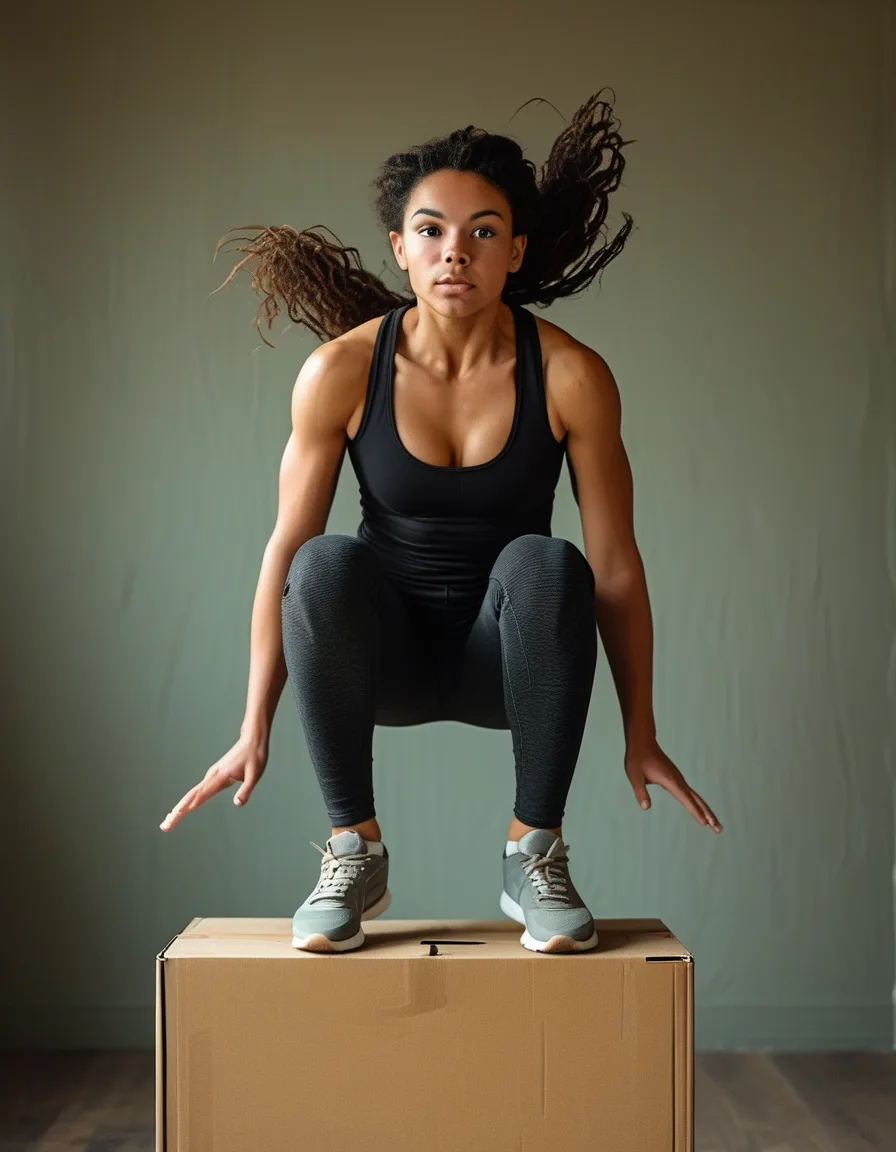
Myth: Soft, quiet landings are all that matter for safety. Fact: A quiet landing absorbs vertical force well, but knee alignment specifically prevents lateral, ligament-stressing force — you need both, not just one.
Myth: Only high box jumps carry injury risk. Fact: Landing mechanics matter just as much on low-impact plyometrics like jump rope or small hops — form errors compound over reps regardless of jump height.
Myth: Strong quads alone protect your knees during jump training. Fact: Glute medius and hip stability matter more specifically for preventing the inward knee collapse that drives most non-contact injuries — quad strength alone doesn’t fix that pattern.
FAQ: Plyometric Knee Safety Questions, Answered
How do I know if I need to fix my form before continuing plyometrics?
Any visible inward knee drift on slow-motion video, or knee pain during or after jump sessions, are both signs to pause volume and work on landing mechanics and hip strength first.
What exercises build the hip stability needed for safe landings?
Lateral band walks, single-leg glute bridges, and clamshells 2-3x/week build the glute medius strength most directly tied to knee tracking.
Is it safe to do plyometrics with a past knee injury?
Generally yes with proper progression and clearance, but this is exactly the population that benefits most from a physical therapist assessment first. This is general information, not medical advice.
TL;DR:
- Knee valgus collapse (inward drift) on landing, not jump height, is the main injury risk factor
- Film your landings from the front to check knee alignment before adding jump volume
- Build glute medius strength — it’s more directly protective than quad strength alone
- Any knee pain or visible inward collapse means pause and fix form before progressing
Film 5 landings tonight before your next plyometric session — it takes 2 minutes and catches the issue every guide skips.
Keep Reading
This article is for general informational and styling purposes only. Fit, sizing, and product availability may vary.